
Menopausal Skin Myths: Your Microbiome Matters As Much As Your Products

Quick Read
While skincare products have their place, they're not the whole solution for menopausal skin. Your diet, microbiome health, sleep, and nutrient status all impact your skin. The optimal skincare strategy during menopause includes addressing what's happening inside your body — starting with your gut health and nutrition.
While skincare products can help improve the look of aging skin, Dr. Karen Koffler says there's something that what you put into your body should not be overlooked. The skin changes you're experiencing during menopause won't be fixed by another serum alone. They may be addressed by what you eat and how you live.
Myth: The Best Skincare Products Will Fix Your Menopausal Skin
The reality: Products can only do so much. "Your lifestyle can hasten some of these undesirable skin changes, and your lifestyle can be used to really dramatically slow these changes," Dr. Koffler says. If you're spending money on luxury serums but neglecting your nutrition, sleep, and microbiome, you're only addressing part of the problem. The real impact happens from the inside out.
The skin is a reflection of what's happening inside your body. The decline in estrogen that happens to women in the menopause transition is the root issue. But after that, your microbiome health, your nutrient status, your sleep quality, and your stress levels are what determine whether your skin is going to deteriorate or hold up during menopause.
Feel like yourself again
A licensed provider can help you understand your symptoms and determine if hormone replacement therapy is the right next step.


Myth: Your Microbiome Doesn't Really Affect Your Skin
The reality: Your gut microbiome directly impacts your skin health. "High fiber again, foods that are rich in colors, all nourish the microbiome, which in turn, protects our skin," Dr. Koffler explains. The bacteria in your gut influence inflammation, immune function, and nutrient absorption – all of which can show up on your face.
When your microbiome is healthy, your skin is more resilient. When it's depleted or lacking in diversity – usually from a diet low in fiber and high in processed foods – your skin can become inflamed, irritated, and age faster.
Myth: Sugar Doesn't Really Affect Your Skin
The reality: Sugar damages your skin. "Getting more colorful fruits and vegetables and minimizing sugar… These things are healing. They actually prevent damage to skin," Dr. Koffler notes.
When you consume sugar, it triggers inflammation in your body. Inflammation damages collagen and elastin, accelerates aging, and can trigger acne.
This is especially relevant during menopause when your skin is already compromised by declining estrogen. Adding sugar-induced inflammation on top of hormonal changes can speed up skin aging noticeably.
Myth: You Need Expensive Supplements to Support Your Skin
The reality: Some supplements have solid evidence behind them. "There is a lot of good out there in the midst of a lot of the products that are marketed that don't have quite the evidence," Dr. Koffler says.
Collagen has "very very good data" on its use to support skin hydration, elasticity, collagen production, and bone density. One sign that it's working is stronger nails. "Very often one of the first things my patients notice is stronger nails," Dr. Koffler says. Peptides like GHK copper don't have the same scientific backing yet, though Dr. Koffler has had patients report feeling that it helped. So while some supplements have solid research behind them, others are still emerging, and individual results vary.
Myth: Micronutrient Deficiencies Don't Matter for Your Skin
The reality: Micronutrient deficiencies like iron, zinc, or B12 matter a lot. They often show up as thinning hair, brittle nails, and dull skin. Dr. Koffler recommends getting yourself assessed, because they're easily fixable.
Before you start taking supplements, find out if you're actually deficient in something. A simple blood test can reveal what your body actually needs.
Myth: Sleep Doesn't Affect Your Skin or Hair
The reality: "Your sleep is essential. We know that poor sleep damages the growth cycle of hair," Dr. Koffler explains.
When you sleep poorly, your cortisol (stress hormone) stays elevated. Elevated cortisol triggers inflammation, suppresses collagen production, and can cause hair loss. We all know that one bad night shows up on your face. Chronic poor sleep accelerates skin aging, too.
This matters especially during menopause when sleep is already disrupted. Prioritizing sleep is one of the most effective anti-aging strategies you have.
Myth: Sun Damage is Only a Problem if You Spend a Lot of Time Outside
The reality: Cumulative sun exposure catches up with you during menopause. "Sun exposure, overtime, we know, damages skin," Dr. Koffler notes. All that sun damage from your 20s, 30s, and 40s suddenly becomes very visible when your skin loses collagen and its ability to repair itself.
You'll notice age spots appearing, wrinkles deepening, and your skin texture changing. This isn’t necessarily new damage, it’s your skin no longer being able to hide old damage.
Myth: Topical Skincare Products are Your Best Tool
The reality: Topical retinol and more potent prescription retinoids have strong evidence. "The most impressive thing that we have on the market today is the use of retinols including tretinoin, which is a topical cream by prescription that has really been shown to reduce wrinkles and reduce acne," Dr. Koffler says.
But retinols work best when you're also taking care of the fundamentals: eating well, sleeping well, managing stress, protecting yourself from sun, and addressing hormonal decline with estrogen therapy if appropriate.
The Real Skincare Strategy During Menopause
Dr. Koffler's core message is simple: "This period of time is really an opportunity to rethink how you are living, because your lifestyle can hasten some of these changes, and your lifestyle can be used to really dramatically slow these changes."
Your microbiome, your nutrition, your sleep, and your hormones are doing far more work than any skincare product ever could.
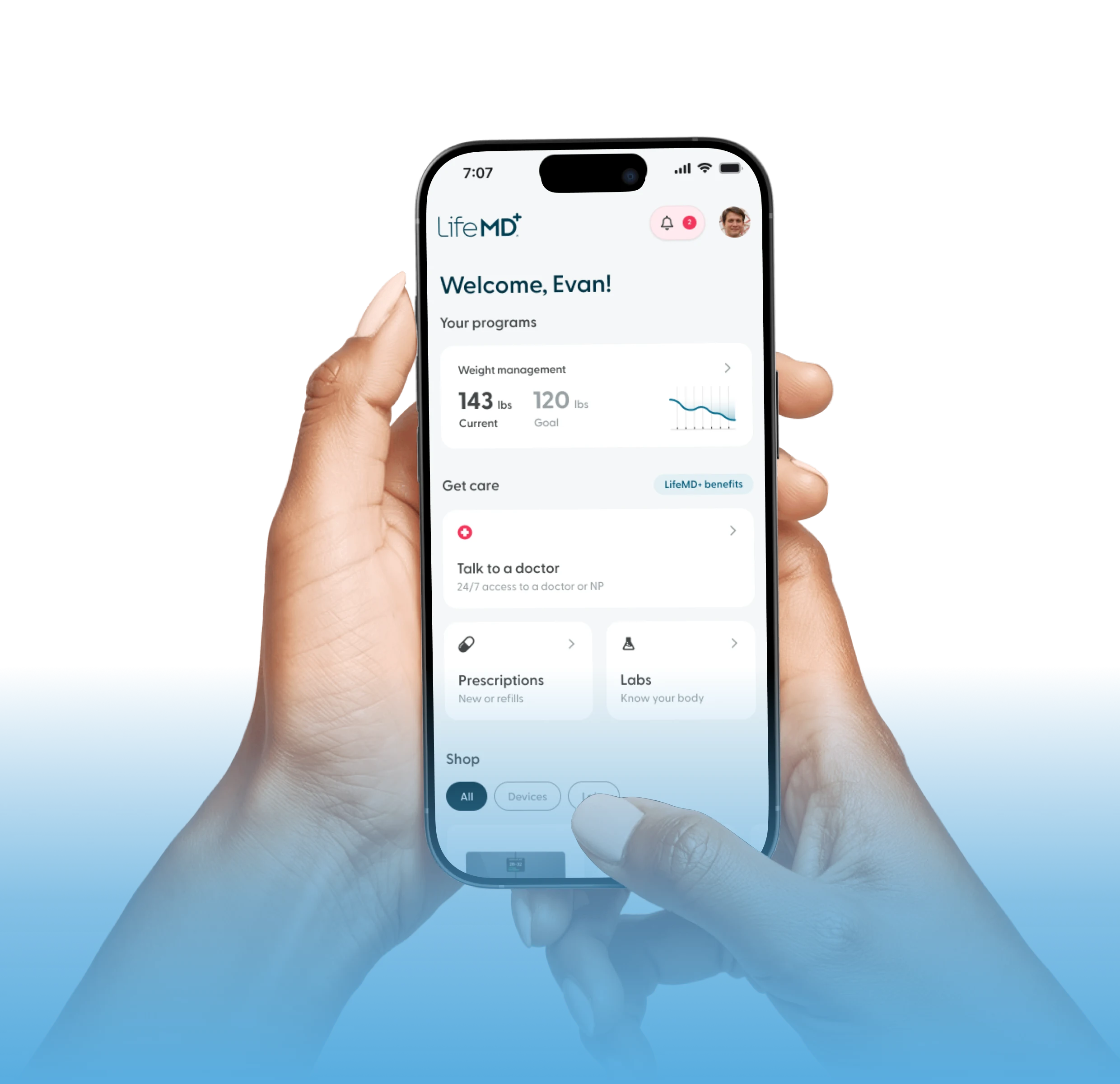
Addressing hormonal decline often requires more than diet and lifestyle alone. That's where a provider who understands menopause can help. The LifeMD Women's Health Program connects you with licensed menopause specialists online who can assess your specific situation and determine whether hormone therapy might support your skin health alongside your overall wellbeing.
Depending on what's right for you, your treatment plan may include estrogen, progesterone, testosterone, or a combination – all tailored to your body and your needs. Plus, it's entirely online, with your prescribed medication shipped directly to your door.
Take the free assessment to see if you qualify.
Want to hear more? To learn more about Dr. Karen Koffler's full conversation, listen to the podcast episode.